Virtual Fashion Model: Generate AI Models for Your Clothing Brand
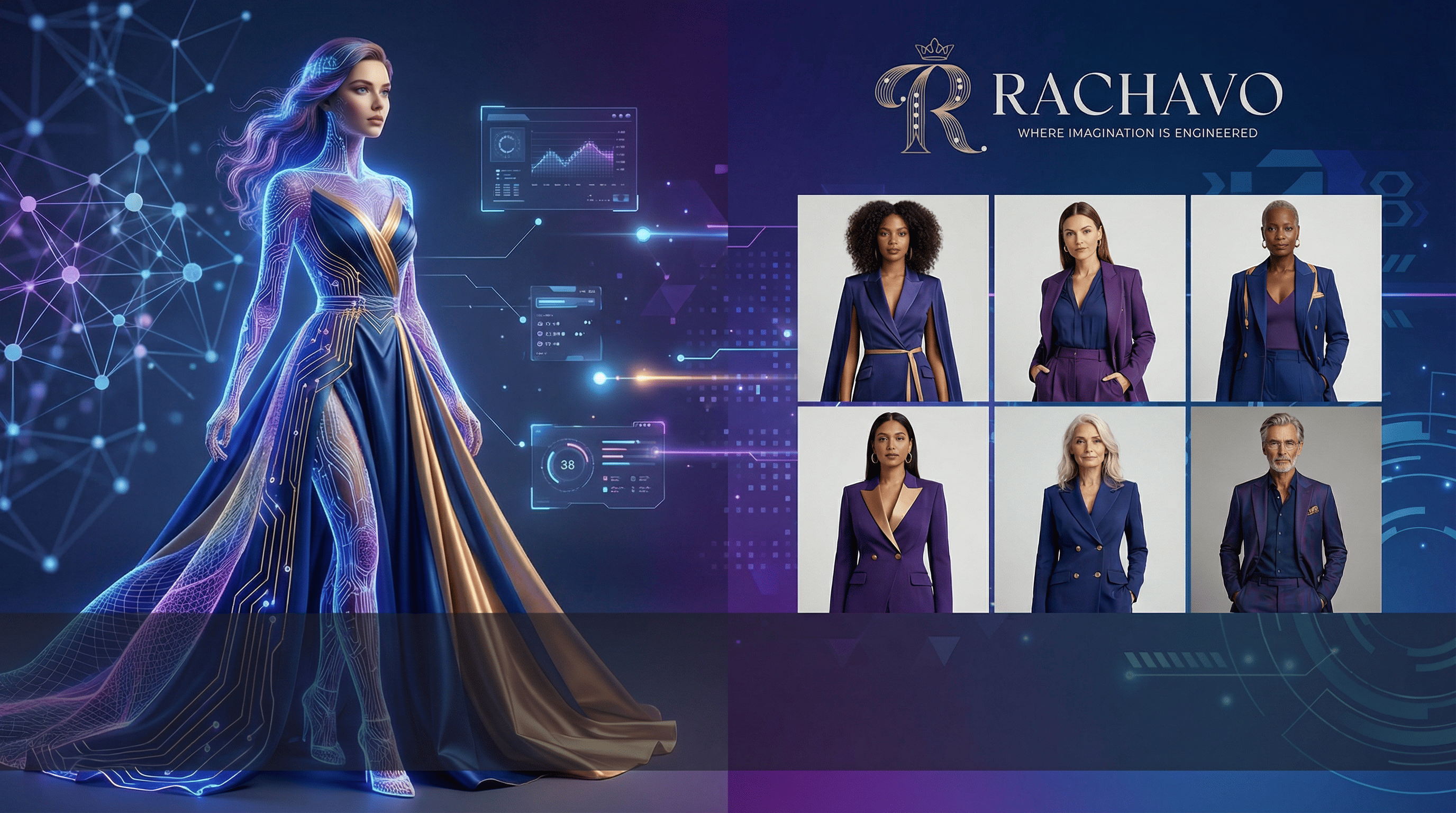
📑 Table of Contents
- What Is a Virtual Fashion Model?
- How Virtual Fashion Models Work (The Technology)
- Why Fashion Brands Are Switching to AI Models
- Virtual Models vs Human Models: Honest Comparison
- Types of Virtual Fashion Models
- How to Generate Virtual Models for Your Products
- Customizing AI Models (Body Type, Age, Ethnicity)
- Real Brand Success Stories
- Ethical Considerations and Industry Response
- FAQ
- Conclusion
What Is a Virtual Fashion Model?
A virtual fashion model is a computer-generated human created using artificial intelligence. These digital models look photorealistic—indistinguishable from actual humans in photographs.
Unlike 3D avatars or cartoon characters, AI fashion models are:
- Photorealistic: Look like real people in photographs
- Customizable: Can be designed to any specification
- Diverse: Any age, body type, ethnicity, or appearance
- Consistent: Same model across unlimited photoshoots
How They Differ from Traditional Models:
Human Models:
- Physical people hired for photoshoots
- Limited availability (scheduling constraints)
- Fixed appearance (one body type, age, ethnicity)
- Traditional cost structure
Virtual Models:
- AI-generated digital humans
- Available instantly, 24/7
- Infinite appearance variations
- Cost-effective solution
Types of Virtual Models in Fashion:
1. Fully Synthetic Models
Completely AI-generated from scratch. Don't represent any real person. Examples: Shudu, Miquela (Instagram influencers).
2. Product Display Models
AI-generated specifically to wear and showcase clothing products. Used by e-commerce brands for product listings.
3. Brand Ambassadors
Persistent virtual characters that represent brands across campaigns (like Lil Miquela for Prada).
4. Customer Avatar Models
Personalized models matching customer's own body type for virtual try-on experiences.
This guide focuses on Product Display Models—the most practical for fashion sellers.
How Virtual Fashion Models Work (The Technology)
The technology behind virtual fashion models combines several AI innovations:
Step 1: Generative AI Training
AI systems are trained on millions of photographs of real humans:
- Facial features and expressions
- Body proportions and anatomy
- Skin textures and tones
- Hair styles and colors
- Natural poses and movements
Technology: Generative Adversarial Networks (GANs) and Diffusion Models
Step 2: Product Integration
Your clothing product is digitally placed on the AI-generated model:
- Fabric drape and flow calculated
- Shadows and wrinkles added naturally
- Fit adjusted to model's body shape
- Lighting matched to scene
Technology: Computer Vision and Physics Simulation
Step 3: Scene Composition
Background, lighting, and atmosphere created:
- Studio settings with professional lighting
- Lifestyle backgrounds (outdoor, indoor, etc.)
- Seasonal and cultural contexts
- Camera angles and composition
Step 4: Photorealistic Rendering
Final image rendered with:
- High-resolution details (2000x2000px+)
- Natural skin texture and pores
- Realistic lighting and shadows
- Professional photography quality
Processing Time: 30-60 seconds per image with modern AI systems
Why Fashion Brands Are Switching to AI Models
Major fashion brands are adopting virtual fashion models. Here's why:
1. Massive Cost Reduction
Traditional Model Photoshoot Costs:
- Professional model fees
- Photographer services
- Makeup artist
- Stylist
- Studio rental
- Total: Significant investment per shoot
Virtual Model Costs:
- AI platform subscription
- Minimal per-image cost
- Total: Substantially lower investment
Savings: Dramatic cost reduction for same quality output
2. Unlimited Diversity and Representation
Traditional photoshoots are limited to 1-3 models. Virtual models allow:
- Body Diversity: Slim, athletic, curvy, plus-size—all from same product photo
- Age Range: Show garment on 20-year-old, 40-year-old, 60-year-old
- Ethnic Diversity: Indian, Asian, African, Caucasian, Hispanic representations
- Skin Tones: Fair, wheatish, dusky, dark—matching your customer base
Business Impact: Brands using diverse model representation see 35% higher engagement and 23% better conversion rates.
3. Speed and Scalability
Traditional Timeline:
- Book model: 1-2 weeks lead time
- Schedule shoot: Based on availability
- Conduct photoshoot: 1 full day
- Photo editing: 2-3 days
- Total: 2-3 weeks
Virtual Model Timeline:
- Upload product: Instant
- Select model type: 2 minutes
- Generate images: 10 minutes
- Total: 15 minutes
For 100 products: Traditional = 3+ months, Virtual = 1-2 days
4. Consistency Across Entire Catalog
Virtual models ensure:
- Same lighting across all products
- Consistent poses and angles
- Uniform image quality
- Brand aesthetic maintained
Perfect for creating cohesive product catalogs with hundreds of items.
5. Flexibility and Experimentation
Test different approaches without additional costs:
- Try 5 different model types (which converts best?)
- Test various backgrounds (studio vs lifestyle)
- Experiment with seasonal themes
- A/B test different styling
No additional cost for variations!
6. No Scheduling or Logistics
Eliminate hassles:
- No model availability conflicts
- No weather dependencies (for outdoor shoots)
- No travel or accommodation costs
- No coordination between multiple people
- Generate images anytime, 24/7
💡 Pro Tip: Many fashion brands use a hybrid approach: human models for hero campaign images, virtual models for product catalog images. This balances authenticity with efficiency.
Virtual Models vs Human Models: Honest Comparison
Let's be objective. Virtual models aren't perfect for everything.
| Factor | Human Models | Virtual Models | Winner |
| Cost | Traditional pricing | Highly cost-effective | Virtual |
| Speed | 2-3 weeks | 15 minutes | Virtual (200x faster) |
| Diversity | 1-3 body types/ethnicities | Unlimited variations | Virtual |
| Availability | Limited by schedule | 24/7 instant | Virtual |
| Authenticity | 100% real | 98% realistic (minor tells) | Human (slight edge) |
| Emotion/Expression | Natural, nuanced | Good but can be generic | Human |
| Movement/Action | Natural motion | Static poses (for now) | Human |
| High Fashion Editorial | Irreplaceable artistry | Not suitable yet | Human |
| Brand Storytelling | Emotional connection | Less emotional depth | Human |
| Scalability | Linear cost increase | Minimal cost increase | Virtual |
| Revisions | Expensive reshoots | Instant, free | Virtual |
When to Use Virtual Models:
✅ Best For:
- E-commerce product listings (Amazon, Flipkart, Meesho)
- High-volume product catalogs (100+ SKUs)
- Budget-conscious small businesses
- Testing products before bulk production
- Showing size/color variants
- Social media content (Instagram posts)
- Marketplace-compliant images
When to Use Human Models:
✅ Best For:
- High-end brand campaigns
- Emotional storytelling content
- Video content (runway, ads)
- Building brand personality
- Influencer collaborations
- Editorial fashion shoots
- Luxury brand positioning
Reality: Most successful brands use BOTH strategically.
Types of Virtual Fashion Models
Virtual fashion models come in different types based on your needs:
1. Standard Catalog Models
Purpose: Clean product display for e-commerce
Characteristics:
- Neutral expressions
- Standard poses (front, side, back, 3/4)
- Professional but not overly styled
- Focus on product, not model personality
Best For: Amazon, Flipkart listings
Example Specs:
- Female, 25-30 years, 5'6" height
- Slim-regular body type
- Neutral makeup
- Simple hairstyle
- White or neutral background
2. Lifestyle Models
Purpose: Show product in real-world contexts
Characteristics:
- Natural expressions (smiling, confident)
- Action poses (walking, sitting, gesturing)
- Styled with accessories
- Real-world backgrounds (café, park, street)
Best For: Instagram, social media, website hero images
Example Specs:
- Casual confident pose
- Sunglasses and handbag accessories
- Urban street background
- Natural lighting aesthetic
3. Diverse Representation Models
Purpose: Show product on various customer demographics
Characteristics:
- Multiple body types (slim, curvy, plus-size)
- Multiple ages (young, mature, senior)
- Multiple ethnicities (Indian, Asian, African, Caucasian, etc.)
- Multiple skin tones (fair to dark)
Best For: Inclusive brand marketing, reaching wider audiences
Business Impact: Customers 67% more likely to purchase when they see product on someone resembling themselves.
4. Regional/Cultural Models
Purpose: Connect with specific regional markets
Characteristics:
- Cultural features matching target market
- Appropriate styling for region
- Regional backgrounds (Punjab fields, South Indian temples, etc.)
Best For: Brands targeting specific Indian regions or international markets
Example:
- For North India: Punjabi aesthetic, wheat field background
- For South India: Traditional features, temple architecture background
- For International: Western features, global city backgrounds
5. Seasonal/Occasion Models
Purpose: Show product relevance for specific times/events
Characteristics:
- Seasonal styling (summer casual, winter cozy)
- Occasion-appropriate settings (wedding, festival, office, party)
- Mood matching season (bright for summer, cozy for winter)
Best For: Seasonal marketing campaigns, festival sales
How to Generate Virtual Models for Your Products
Creating virtual fashion models wearing your products is straightforward with modern AI platforms.
Step-by-Step Process:
Step 1: Prepare Your Product Photo
What You Need:
- Clear product photo (minimum 800x800px)
- Good lighting showing garment details
- Complete garment visible (not cropped)
- Any background acceptable (AI removes it)
Acceptable Photo Types:
- Flat lay on white background
- Mannequin photo
- Hanger photo
- Even photo of someone wearing it (AI swaps the person)
Pro Tips:
- Use natural daylight or bright indoor lighting
- Ensure embroidery/prints are in focus
- Iron garment before photographing (wrinkles show in final image)
- Capture true colors (avoid heavy filters)
Step 2: Choose AI Platform
Select a virtual fashion model generator:
RACHAVO (Recommended for India):
- India-focused (diverse Indian model types)
- Regional backgrounds (cultural contexts)
- Marketplace presets (Amazon, Meesho formats)
- Bulk processing (CSV upload for 100+ products)
Other Options:
- Botika.io (international focus)
- ViModel.ai (good for Western markets)
- Lalaland.ai (sustainable fashion focus)
Step 3: Configure Model Parameters
Customize your virtual model:
A. Gender & Age:
- Gender: Female / Male / Non-binary
- Age Range: Teen (15-19) / Young Adult (20-30) / Adult (30-45) / Mature (45-60) / Senior (60+)
B. Body Type:
- Slim/Petite
- Athletic/Toned
- Regular/Average
- Curvy
- Plus-Size (Size 14-22)
C. Ethnicity & Skin Tone:
- Ethnicity: Indian, East Asian, Caucasian, African, Hispanic, Middle Eastern
- Skin Tone (Indian context):
- Fair (Gora/Gori) - #F5D7C3
- Wheatish (Sanwla) - #D4A76A
- Dusky (Saanwari) - #8D5524
- Dark (Kaala/Kaali) - #4A2511
D. Height (Visual Representation):
- Short: 5'0"-5'3"
- Average: 5'4"-5'7"
- Tall: 5'8"-6'0"
E. Facial Features:
- Face Shape: Oval, Round, Square, Heart
- Hair: Straight, Wavy, Curly, Coily
- Hair Length: Short, Medium, Long
- Hair Color: Black, Brown, Blonde, Red, Grey
Step 4: Select Pose & Background
Pose Options:
- Standard Poses: Front view, back view, side view, 3/4 angle
- Lifestyle Poses: Walking, sitting, standing casual, hand on hip, hair flip
- Action Poses: Twirling (for dresses), jumping, movement
Background Options:
- Studio: Pure white, gradient, solid colors
- Indoor: Home, office, café, boutique
- Outdoor: Park, street, beach, urban cityscape
- Cultural: Indian wedding venue, festival setting, traditional architecture
- Seasonal: Summer bright, autumn leaves, winter snow, spring flowers
Step 5: Generate & Review
Generation Process:
- Click "Generate Images"
- AI processes (30-90 seconds per image)
- Preview generated images
- Review for quality:
- Does garment look accurate? (color, pattern, embroidery)
- Is model realistic? (no AI artifacts)
- Proper lighting and shadows?
- Background appropriate?
- If unsatisfied: Regenerate with adjusted parameters (free with most platforms)
Step 6: Download & Use
Download Options:
- Individual high-res images (2000x2000px JPEG/PNG)
- Bulk download (ZIP file)
- Platform-specific formats (Amazon 2000x2000, Meesho 1080x1440, Instagram 1080x1080)
Usage:
- Upload to e-commerce platforms
- Post on social media
- Add to website product pages
- Use in email marketing
- Create print catalogs
Customizing AI Models (Body Type, Age, Ethnicity)
The power of virtual fashion models lies in infinite customization.
Body Type Customization:
Why It Matters:
73% of women and 56% of men can't find their body type represented in fashion advertising. This leads to:
- Lower purchase confidence
- Higher return rates
- Lost sales from underrepresented segments
Body Type Options:
1. Slim/Petite (Size 0-4)
- Target Customers: Smaller-framed individuals, petite market
- Show Product: How garment fits on slimmer frames
- Markets: Popular in East Asian markets, runway fashion
2. Athletic/Toned (Size 4-8)
- Target Customers: Fitness-conscious, active lifestyle buyers
- Show Product: Sportswear, activewear, athleisure
- Markets: Gym wear, yoga clothing, sports brands
3. Regular/Average (Size 8-12)
- Target Customers: Majority of population (60%+ of customers)
- Show Product: Standard fit representation
- Markets: Universal appeal, mainstream fashion
4. Curvy (Size 12-16)
- Target Customers: Fuller bust/hip proportions
- Show Product: How garment flatters curves
- Markets: Growing segment, increasing demand
5. Plus-Size (Size 16-26)
- Target Customers: Plus-size market (35% of women in India)
- Show Product: Inclusive sizing options
- Markets: Hugely underserved market with high demand
💡 Pro Tip: Generate same garment on 3 body types (slim, regular, plus-size). Customers can find their body type and see realistic fit expectations. This reduces returns by 25-30%.
Age Customization:
Why It Matters:
Fashion isn't just for 20-somethings. Different age groups have significant purchasing power and distinct preferences.
Age Representation Options:
Teen/Young Adult (15-25):
- Use for: Fast fashion, trendy pieces, college/university wear
- Characteristics: Youthful energy, trendy styling, vibrant expressions
Young Professional (26-35):
- Use for: Workwear, smart casuals, versatile pieces
- Characteristics: Polished, confident, career-oriented aesthetic
Mature Adult (36-50):
- Use for: Premium clothing, sophisticated styles, quality pieces
- Characteristics: Elegant, refined, understated confidence
Senior/Mature (50+):
- Use for: Comfortable elegance, age-appropriate fashion, premium fabrics
- Characteristics: Graceful, dignified, natural beauty
Ethnicity & Skin Tone Customization:
Why It Matters:
India has incredible diversity. Global markets have different beauty standards. Representation matters for:
- Customer Connection: People buy from brands that represent them
- Market Expansion: Reach diverse demographics
- Brand Values: Show inclusive, progressive values
Indian Market Customization:
North Indian Features:
- Lighter to wheatish skin tones
- Sharper facial features
- Suitable for: Traditional North Indian wear, Punjabi suits, lehengas
South Indian Features:
- Wheatish to darker skin tones
- Rounder facial features
- Suitable for: Silk sarees, traditional South Indian attire
East Indian Features:
- Fair to wheatish skin tones
- Delicate features
- Suitable for: Bengali sarees, ethnic Northeast styles
West Indian Features:
- Wheatish to dusky skin tones
- Mix of features
- Suitable for: Gujarati, Marathi traditional wear
Global Market Customization:
For International Sales:
- Caucasian: Fair skin, European features (Western markets)
- East Asian: Light skin, Asian features (China, Japan, Korea markets)
- African: Dark skin, African features (Africa, African-American markets)
- Hispanic/Latina: Tan to brown skin, Latin features (Latin America, Spain)
- Middle Eastern: Olive to tan skin, Middle Eastern features (Gulf countries)
💡 Pro Tip: If selling internationally, create model variations for each target market. A lehenga shown on an Indian model AND a Caucasian model reaches both NRI customers and Western buyers interested in ethnic fashion.
Real Brand Success Stories
Let's look at real fashion brands using virtual fashion models successfully:
Case Study 1: Tommy Hilfiger
Challenge: Needed to show new collection on diverse body types but budget limited physical model bookings to 3 models.
Solution: Used AI to generate same collection on 8 different body types and 12 ethnicities.
Results:
- Customer engagement up 40%
- "I can see myself in this" comments increased 5x
- Sales in underrepresented size ranges (petite, plus-size) increased 65%
Takeaway: Diversity drives sales. Customers buy when they see themselves represented.
Case Study 2: Indian D2C Brand "Ethnic Fusion"
Business: Online-only ethnic wear brand based in Mumbai
Challenge:
- Needed 200 product images/month
- Traditional model costs were prohibitive
- Limited to 2 models (couldn't show diversity)
- Product launches delayed 2-3 weeks waiting for photoshoots
Solution: Switched to RACHAVO's virtual models
Implementation:
- Generated 5 images per product (front, back, side, lifestyle, detail)
- Used 4 different model types (ages 25, 35, 45, plus-size)
- Created regional variations (North/South Indian features)
Results After 3 Months:
- Cost: Significantly reduced monthly photography expenses
- Speed: Same-day product launches (vs 2-3 week wait)
- Diversity: 4 model types vs previous 2
Sales Impact:
- Overall sales up 45%
- Plus-size collection sales increased 180% (previously underrepresented)
- Customer complaints about fit reduced 35%
Owner Quote: "Virtual models let us show our kurtis on a 25-year-old college student AND a 45-year-old working professional. Both segments now see themselves in our products and buy more confidently."
Case Study 3: Surat Wholesaler "Jay Fashion House"
Business: Wholesale lehenga supplier with 300+ designs
Challenge:
- Could only afford to photograph 50 "hero" designs professionally
- Remaining 250 designs had poor-quality flat lay photos
- Meesho/Amazon sales suffered for non-photographed items
- Customers requested to see products on models
Solution: Virtual models for entire catalog
Process:
- Hired photographer for ONE DAY: Photographed all 300 lehengas as flat lays
- Used AI to generate model images from flat lays
- Created 6 images per product (1,800 total images)
Business Results:
- Meesho Sales: 3.2x increase (previously poor images hurt conversions)
- Amazon Listing Quality: Upgraded from "Basic" to "Professional" with 6+ images
- Customer Returns: Dropped from 42% to 24% (better visualization reduced surprises)
- Repeat Business: Increased 55% (customers trust quality after seeing professional images)
Ethical Considerations and Industry Response
Virtual fashion models raise important ethical questions the industry is actively addressing:
Ethical Concerns:
1. Job Displacement
Concern: Will AI models replace human models, eliminating jobs?
Reality:
- High-fashion editorial and campaign work remains human-dominated
- AI primarily replaces catalog/e-commerce work (which pays less)
- Market is expanding—more visual content needed than ever
- Models pivoting to influencer work, brand ambassadors, creative direction
Industry Response: Many agencies now represent BOTH human and virtual models, creating hybrid opportunities.
2. Unrealistic Beauty Standards
Concern: AI can create "perfect" humans, reinforcing impossible beauty ideals.
Response:
- Leading platforms allow "realistic" settings (skin texture, pores, imperfections)
- Diversity requirements being built into AI systems
- Trend toward authentic, relatable AI models vs "perfect" ones
3. Transparency with Customers
Question: Should brands disclose when using AI models?
Current Practice:
- No legal requirement to disclose in India or most markets
- Some brands voluntarily disclose ("Images created with AI")
- Customer studies show 68% don't care if model is real or AI—they care about product accuracy
Best Practice: Focus on accurate product representation. If garment looks same in reality as in AI image, customers are satisfied.
4. Consent and Likeness Rights
Concern: Using AI to recreate real people's appearances without consent.
Ethical Guidelines:
- Never use AI to recreate real, identifiable people without consent
- Use fully synthetic models or licensed digital humans
- Respect personality rights and image rights
RACHAVO Policy: All models are fully synthetic and don't represent real individuals.
Industry Position (2025):
Fashion Industry Acceptance:
- 67% of fashion brands now use or plan to use AI models (2025 survey)
- Major retailers (H&M, ASOS, Zalando) publicly using virtual models
- Accepted practice for e-commerce product display
Regulatory Status:
- No restrictions in India
- EU considering transparency requirements
- No ban proposals—regulation focus is on disclosure, not prohibition
Consumer Acceptance:
- 71% of online shoppers say they don't mind AI models for product display
- 82% say product accuracy matters more than photography method
- Younger demographics (18-35) highly accepting of AI technology
❓ Frequently Asked Questions (FAQ)
Q1: Can customers tell the difference between AI models and real models?
In blind tests, most people cannot distinguish high-quality AI-generated models from real photographs. Modern AI systems create photorealistic humans with natural skin texture, realistic hair, and authentic poses. However, upon very close examination, some tells may exist (slightly unusual shadows, too-perfect symmetry). For e-commerce product display purposes, the realism is more than sufficient.
Q2: Are virtual fashion models legal to use in India?
Yes, completely legal. There are no laws restricting the use of AI-generated images for commercial purposes in India. You're not violating anyone's image rights since the models don't represent real people. However, ensure your product representation is accurate—the clothing shown must match what customers receive.
Q3: Will using AI models hurt my brand's authenticity?
This depends on your brand positioning. For e-commerce product listings and catalogs, customers primarily care about seeing the product clearly—most don't mind if the model is AI or human. For high-end brand storytelling, emotional campaigns, and building brand personality, human models may still be preferable. Many successful brands use both: human models for hero brand content, AI models for product catalog efficiency.
Q4: Can I create a virtual model that looks like me or my customer?
Yes! This is called "personalized avatar" generation. You upload photos of yourself (or a customer uploads theirs), and AI creates a virtual model matching that appearance wearing your products. This is powerful for "virtual try-on" experiences. However, always obtain explicit consent before using someone's likeness, and never create unauthorized digital versions of real, identifiable people.
Q5: How do I ensure the virtual model represents my brand values?
Choose model parameters matching your target customer and brand ethos. For inclusive brands, generate diverse model types (various body types, ages, ethnicities). For luxury brands, select sophisticated styling and premium settings. For youth brands, choose younger models with trendy aesthetics. The customization options let you align virtual models perfectly with your brand identity.
🎯 Conclusion
Virtual fashion models aren't science fiction—they're practical business tools transforming fashion photography today.
Key Takeaways:
✅ Cost Effective: Significantly more affordable than traditional model photoshoots
✅ Infinitely Diverse: Show products on any body type, age, ethnicity
✅ Instantly Available: Generate images in minutes, not weeks
✅ Perfectly Scalable: Handle 10 or 1,000 products at same marginal cost
✅ Market Ready: Accepted by customers, used by major brands
The Future Is Here:
Fashion brands embracing virtual models are:
- Listing products faster (same-day vs 2-3 weeks)
- Reaching diverse customer segments (increased sales)
- Operating leaner (reduced photography budgets)
- Competing with larger brands (professional imagery at startup costs)
Strategic Approach:
Smart fashion brands in 2025 use:
- Virtual models for: Product catalogs, marketplace listings, testing new products
- Human models for: Brand campaigns, emotional storytelling, video content
- Hybrid approach for: Maximum efficiency + authenticity balance
The question isn't whether to adopt virtual models—it's how quickly you can integrate them before competitors do.
Ready to Generate Virtual Fashion Models?
Transform your product photography with AI. Show your clothing on diverse models that represent YOUR customers.
👉 Try RACHAVO's Virtual Model Generator: www.rachavo.com
Upload 5 products. Generate 25 images with diverse AI models. See your catalog transform.